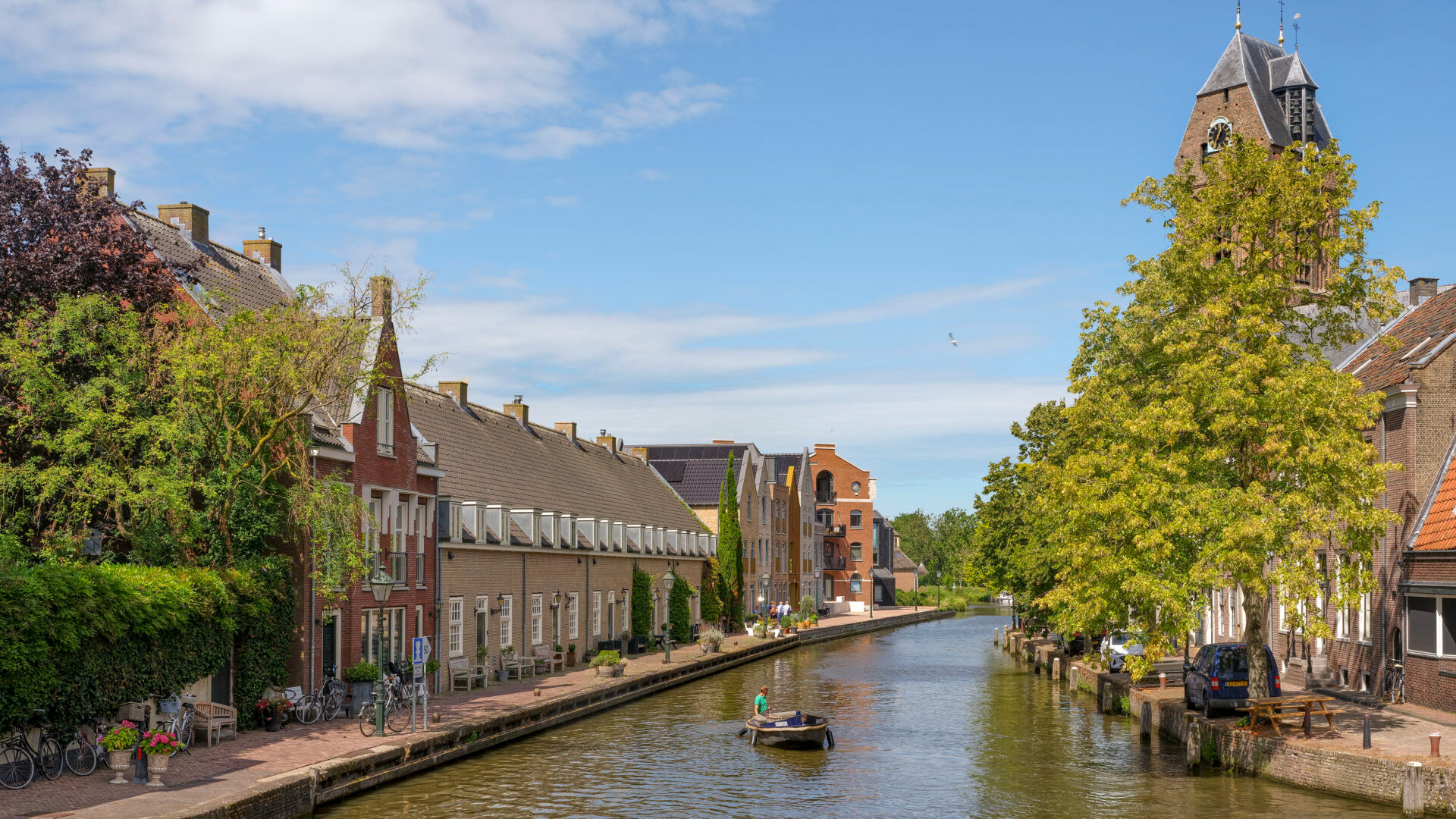
Westerwal Oudewater
Industrial heritage regeneration and implementation
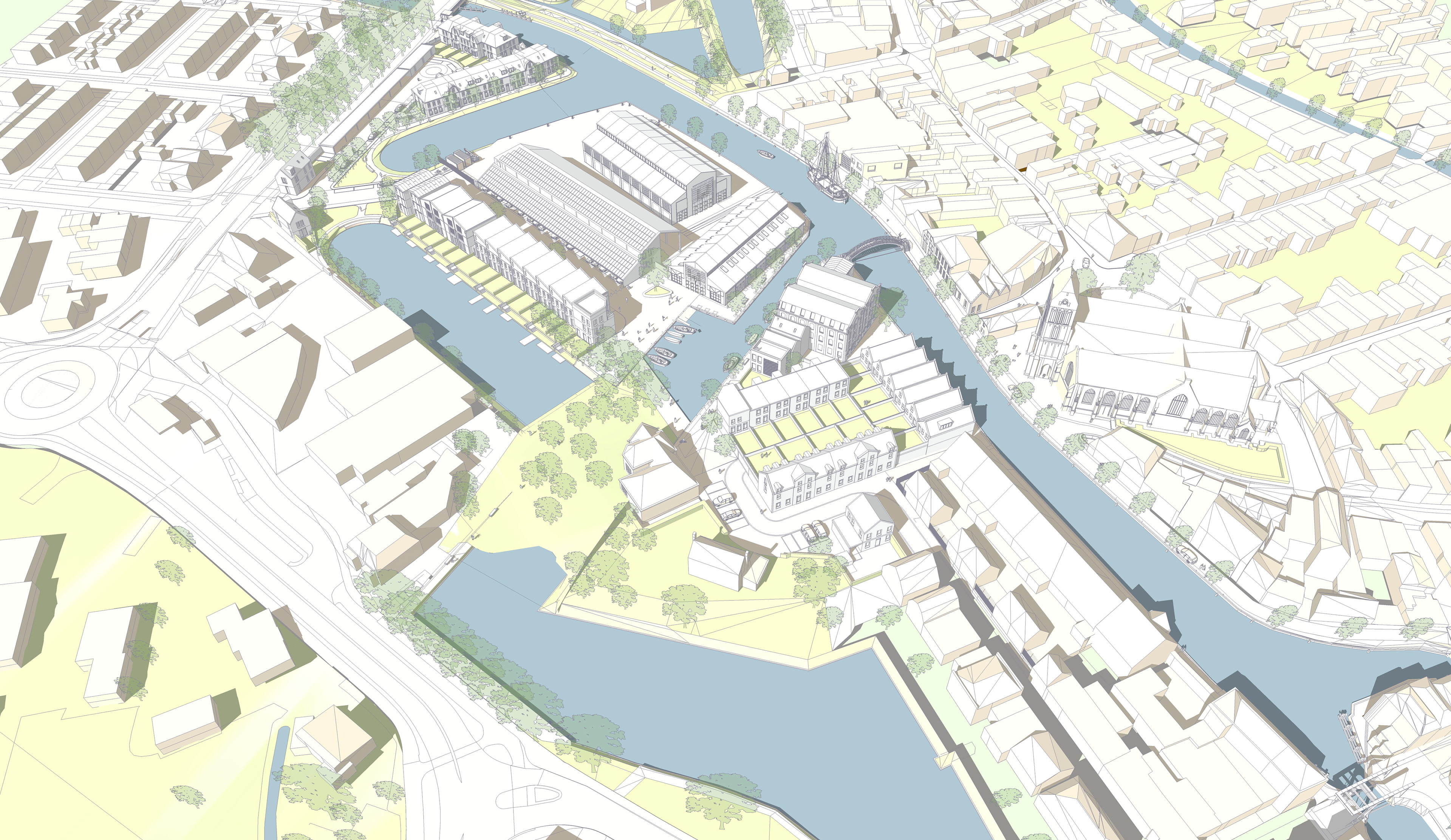
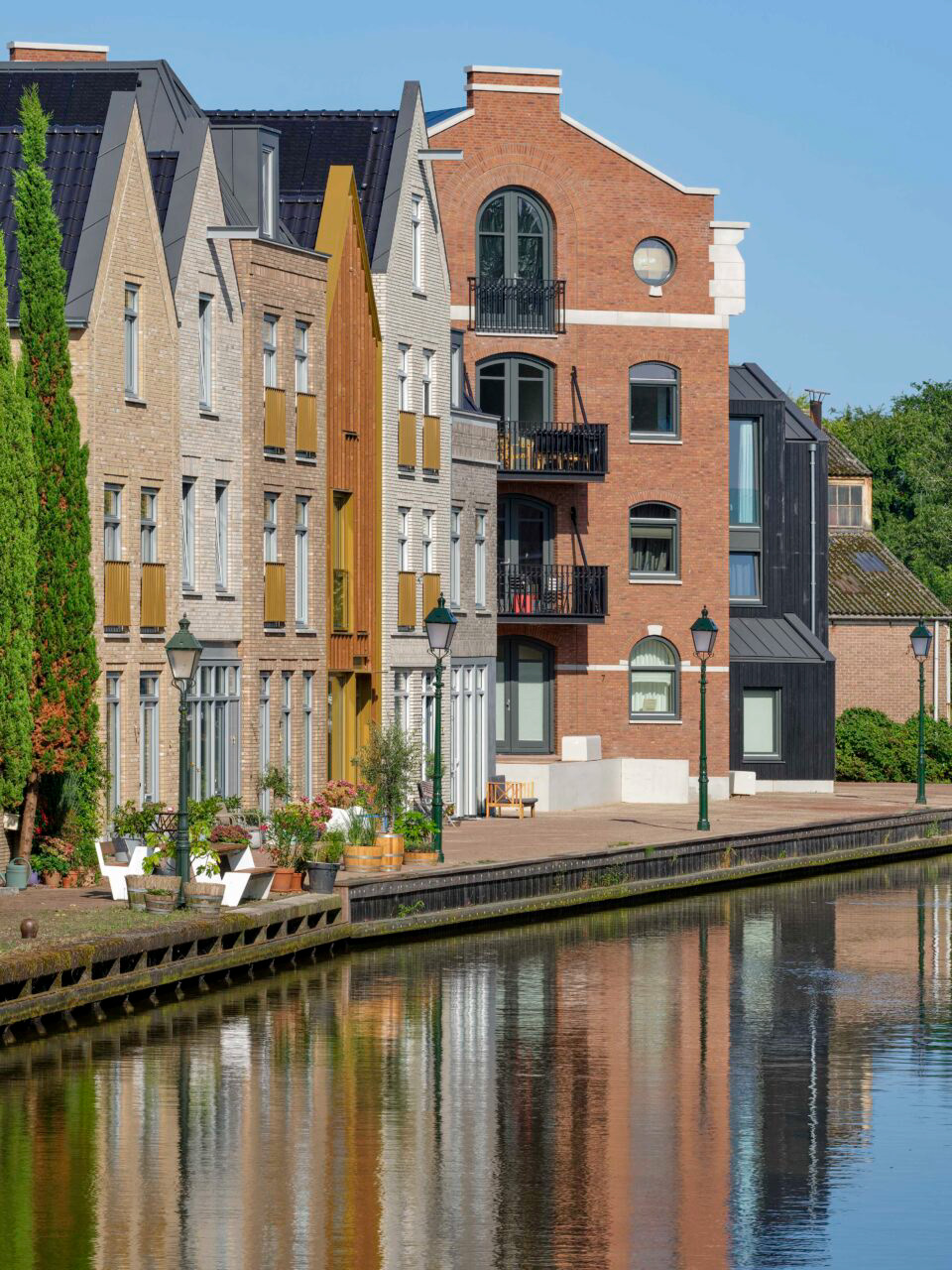
Westerwal Oudewater concerns the transformation of a former industrial site into a mixed use residential neighbourhood embedded within the historic structure of Oudewater.
The project integrates heritage, new housing typologies and public realm design into a coherent urban framework that respects historical identity while enabling contemporary development.
The Challenge
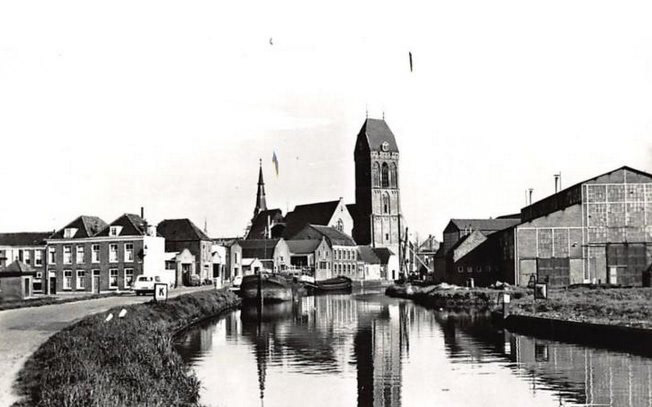
The site is defined by its industrial past, fragmented ownership and proximity to a sensitive historic urban fabric.
The key challenge was to reconcile:
Industrial heritage and contemporary housing demand
Developer ambition and municipal quality standards
Spatial density and small town character
Public realm coherence and implementation feasibility
Developer ambition and municipal quality standards
Spatial density and small town character
Public realm coherence and implementation feasibility
The transformation required both narrative sensitivity and rigorous spatial structuring.
The Approach
The project was developed through a layered urban strategy that:
Respected existing historical traces and spatial grain
Introduced new housing typologies aligned with context
Structured public space as connective tissue within the neighbourhood
Established clear phasing and implementation logic
Introduced new housing typologies aligned with context
Structured public space as connective tissue within the neighbourhood
Established clear phasing and implementation logic
Close collaboration with the municipality and developer ensured that the urban framework remained coherent throughout the process, translating design ambition into buildable and policy aligned outcomes.
Role
Lead Designer within a multidisciplinary team
Responsible for typology studies, spatial structuring, material strategy and graphic articulation of the urban framework and design guidlines. Played a central role in maintaining spatial coherence throughout participatory processes and design refinements.
Outcome and Significance
Westerwal demonstrates how regeneration can operate as integration rather than replacement. The project balances historical continuity with contemporary living, translating strategic vision into implementable urban form.
It reinforces the role of design in mediating between heritage, housing demand and development feasibility.